In the field of grants management, staffing transitions often lead to a high-risk environment for compliance violations, operations disruption, and heightened stress levels in organizations already stretched thin. Nevertheless, as explored in this podcast, these transitions and the accompanying challenges are common issues many organizations face for various reasons.
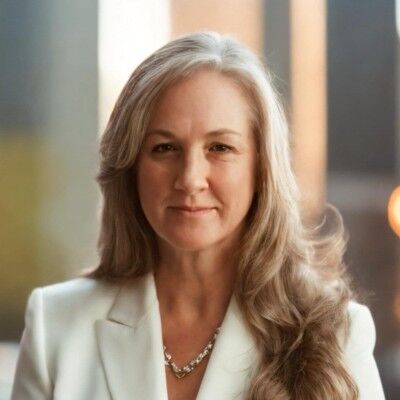
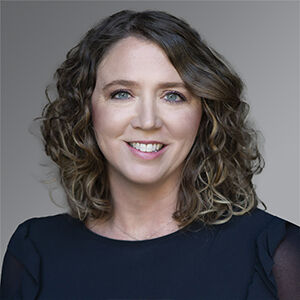
Grant Management Manager Kat Kizior and new co-host and Grants Management Senior Associate Paula Heller join forces to respond to listeners’ questions concerning their staffing challenges. With Manager Kimberly Konczak serving as moderator, Kat and Paula provide guidance that will help listeners stay compliant during change.
- As part of Cherry Bekaert’s GPS Grants Management podcast series, this episode covers:
- Investigating high turnover rates with grants managers and possible solutions
- Covering the workload equitably while a position is vacant
- Building a grant management team with adequate staffing structure and compensation
- Networking to find highly qualified grant managers
- Promoting from within to develop a grants management team
- Examining the relationship between federal funding and the grants management profession
Cherry Bekaert’s Grant Lifecycle Management team manages grants end-to-end, bridging the service gap to improve internal controls and staff success to help your organization maximize every opportunity. If you have any questions specific to your business needs, Cherry Bekaert’s Government & Public Sector team is available to discuss your situation with you.
View All Government & Public Sector Podcasts

CHRISTIAN FUELLGRAF: Welcome and thanks for listening to Cherry Bekaert's Government and Public Sector podcast series. In each episode we hear from the best in the business on the latest challenges, trends, and opportunities affecting the government and public sector.
CHRISTIAN FUELLGRAF: I'm Christian Fuellgraf, leader of Cherry Bekaert's Government & Public Sector industry team. Welcome everyone to "Grants Management and Staff Transition: How to Stay Compliant in the Midst of Change," episode seven of our grants management podcast series.
KIMBERLY KONCZAK: Can you believe we are on episode seven? It seems like we just recorded the first one yesterday. Last week we did an impromptu podcast on FEMA Public Assistance; it was supposed to be the podcast we're doing today, but in light of the hurricanes we recorded an-in-the-moment episode to try to help with FEMA.
KIMBERLY KONCZAK: One thing to remind you, at the time of this recording hurricane season is not over, so more communities could be affected in the next few months. We have, I think, Sarah churning in the Gulf of Mexico. We can still be affected, and even after this season there is next year and the year after.
KIMBERLY KONCZAK: The grants professional community needs to be knowledgeable on these FEMA programs and how to apply for and receive assistance. It's essential for communities to rebuild, so make sure you listen to the podcast we did on FEMA Public Assistance and prepare for the future.
KAT KIZIOR: That is so true. I used to live in the South on the Gulf of Mexico, so I watch the calendar for hurricane season and wait for it to be over.
KIMBERLY KONCZAK: I'm Kimberly Conac, a grants management enthusiast and proud member of a team providing grants management services and support solutions for grant lifecycle management. Kat, why don't you introduce yourself?
KAT KIZIOR: I am Kat Kiser, the Grants Management Solutions lead and an advisory management manager with Cherry Bekaert. I have over 20 years of experience in accounting and grants management.
PAULA HELER: If you listened to our last podcast, we introduced Paula Heler, our latest team member and new co-host for the podcast.
PAULA HELER: I'm Paula Heler. I have over 20 years of experience in grants across many sectors, including elementary, middle, and high schools, higher education, and research science. I have worked on both proposal writing and post-award management.
CHRISTIAN FUELLGRAF: Today we are doing something different than our usual format. I've worked in grants and accounting for over 20 years, and it never ceases to amaze me that organizations cannot find experienced grants management staff. It is still difficult today.
CHRISTIAN FUELLGRAF: As a former government grants worker and now a consultant, I am pessimistic about expecting any organization to be fully compliant with grants if they lack experienced grant staff. Kudos to anyone who has a great grants management team.
CHRISTIAN FUELLGRAF: Paula, Kimberly, and I are constantly asked by clients and listeners how to improve grant staff and processes and how to avoid losing funding or returning money to the grantor. Today we will answer questions you have posed to us and provide tools to remedy transition situations in grants staffing.
KIMBERLY KONCZAK: Question number one comes from Ben, who works for a local government. He writes: "Our Grants Department is a revolving door. We have had three grant managers in three years and cannot retain grant staff. We are a small local government and it is difficult to have other employees fill in for the grant positions. What can I do to make this process easier for our staff? They are already overworked and unhappy about taking on new responsibilities."
PAULA HELER: That's a great question. One of the first things to do is stop and think about the root cause. Ben has had three different grant managers in three years, so diagnosing the reason for turnover is the first step before fixing the gap.
PAULA HELER: Consider whether it's a compensation issue and whether the pay scale needs to be revisited. Use the roles and responsibilities to see if the position can be reclassified. Also consider whether the job description is accurate; if not, people may realize the job is different than expected.
PAULA HELER: Hopefully Ben conducted exit interviews with his last three grant managers to gather useful information. Another possibility is inefficiencies in grants or other departments causing frustration. Policies and procedures might not be understood, developed, or put into practice. Accounting turnover or challenges with the general ledger and reporting could contribute.
PAULA HELER: It's also possible Ben needs management training. He should do a deep dive into the root causes of turnover and take corrective action if he wants someone to stay in the position.
KAT KIZIOR: I agree. If Ben is not a great manager at motivating and supporting his team, that could make it hard to retain staff. We should assume good intent, but investigation is needed.
KIMBERLY KONCZAK: Ben's question is also about how to put a Band-Aid on the problem when a position is open. When a position is vacant it takes time to onboard a replacement and other employees pick up the slack.
KIMBERLY KONCZAK: Does Ben have a tracking system for awards, such as a master spreadsheet with details like performance period, budget period, award amount, and reporting deadlines? That helps keep tabs during a gap.
KIMBERLY KONCZAK: He should look at reallocating work on a person-by-person basis. For example, if he has a three-person team, he might pull one person off some duties and redistribute tasks so that one person can focus on grants while others cover remaining responsibilities.
KIMBERLY KONCZAK: Create clear roles and responsibilities, define who is ultimately responsible for grant work, and ensure equitable distribution. This is more work for everyone but provides clarity.
KAT KIZIOR: I completely agree. It's important to have a succession plan, especially in positions with high turnover. Consider what will happen if the position is empty and how the work will be accomplished in the long run.
KIMBERLY KONCZAK: Next question is from Delia, who works at a not-for-profit in the healthcare industry. She writes: "We recently received a large amount of new funding. We do not have a Grants Department and our grants tracking is very decentralized. We realize we need centralized grant oversight or a department. How do we set the foundation? Can we use current staff in transition duties? We have no clue where to start."
PAULA HELER: This is common. Organizations often get into the grant business without building a team, writing policies and procedures, or rehearsing accounting processes. Someone starts writing grants and suddenly funding arrives, leaving the organization to do the backend work.
PAULA HELER: Delia, you are not alone. The solution is straightforward but can be complex in implementation. You need a dedicated grants team, at least one person ultimately responsible for all things related to grants, including accounting, compliance, and reporting.
PAULA HELER: Depending on award size, nature, and funders, you may also need a financial analyst and a program analyst to assist with awards.
KAT KIZIOR: Before applying for funds, analyze your capacity. Determine whether you can sustain the grant program. Assess staffing structure: will you need to hire grant writers, program staff, or train existing employees to include grant management functions?
KAT KIZIOR: Consider whether the new grants management function will fill an eight-hour day for a new hire. Evaluate time and effort, staffing costs, and whether hiring is financially feasible. Create a budget for incorporating the funding into your organization and delivering the program required by the grant.
KAT KIZIOR: Find an experienced grant manager. If you already have an experienced grant manager, ensure they understand the new grant's terms and conditions, which may differ from prior awards. A good grant manager knows what to look for in the notice of funding opportunity and what your organization needs to do to support the grant.
KAT KIZIOR: If you will have subrecipients, ensure your grant manager is trained in subrecipient management. Do not underestimate the importance of a good grants manager, coordinator, or grants accountant. Look at industry-standard compensation and do your best to be competitive.
KAT KIZIOR: Involve the right stakeholders—finance, project managers, department heads, and procurement—in the grant process. Ensure they understand that grants have different rules than operating funds. Set your team up to minimize failure and do not underestimate training needs. Grants are dynamic and always changing.
KAT KIZIOR: Finally, remember the consequences of poor compliance: financial, reputational, and community impacts, depending on the grant type. Start building your grants department early so you have a solid foundation before awards arrive.
KIMBERLY KONCZAK: That is a great list. If Delia can answer these questions and find the right grant manager, it will be key to success. Next question, please.
KIMBERLY KONCZAK: Final question is from Marta, who works for a local government. She writes: "Where in the world do you find good experienced grant professionals? I have had a grant specialist position open for months and interviewed two people; neither were experienced. We have around 115 grants and need someone qualified."
PAULA HELER: Marta makes a good point. Grants is not a traditional career path where people train and flow into it; people often fall into grants and stay if it fits. Historically the demand was not great, which is why finding professionals is difficult.
PAULA HELER: First, join and become members of different grants communities. For example, the National Grants Management Association (NGMA) and the Grant Professionals Association (GPA) have job boards and networks of professionals.
PAULA HELER: Second, look within your organization for upward mobility. With 115 awards you likely have program leaders or directors who could be trained and promoted into the role.
PAULA HELER: Third, use a recruiting service specializing in grants. Recruiters can find candidates that meet your criteria. Often the hire starts on a contract basis, such as 90 or 120 days, allowing you to test skills before a permanent hire.
KAT KIZIOR: NGMA and GPA are two of the largest grants management organizations and good places to find talent. NGMA has a certification program that indicates how difficult it is to find professionals with strong compliance backgrounds; there are only a few hundred certified grants management specialists nationwide.
KAT KIZIOR: The profession is small but growing. Federal funding has increased significantly over the past decades, and spending is decentralized, so money is passed down from federal agencies to states and nonprofits. The workforce has not kept pace, creating a supply-and-demand problem.
KAT KIZIOR: The supply of grant funds is high, the demand for qualified individuals is high, but the workforce is underdeveloped. That puts federal money at risk. Build a great grants professional team and compensate them as competitively as possible.
KIMBERLY KONCZAK: Thank you, Kat and Paula, for joining us for today's podcast. You can reach us at kimberly.conac cb.com, cat.kiser cb.com, and paula cb.com.
KIMBERLY KONCZAK: Our next podcast will cover the American Rescue Plan Act. The obligations deadline is December 31st of this year. Do you know where your funding stands? We hope so, and we want to help you meet that deadline, even if it is last minute.
CHRISTIAN FUELLGRAF: Thank you to our audience for listening in today. Subscribe to the series at www.cbcommunitybank.com. Again, we hope you enjoyed this episode and look forward to our next one. Don't forget to subscribe. [Music]