

Why have MSOs and DSOs become so attractive to private equity investors in recent years? What are the potential challenges to successfully executing this high-volume roll-up strategy?
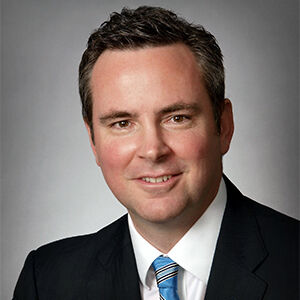
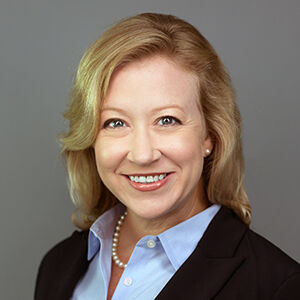
In this episode of The Drawdown, we explore these questions and more with Cherry Bekaert Partners Steve Stang and Michael Ludwig as they provide key insights and approaches that can give private equity investors an edge in this competitive marketplace.
Introducing Cherry Bekaert’s Healthcare Micro-Deals Experience: a highly efficient, technology-driven solution for private equity that streamlines MSO or DSO roll-up acquisitions from pre-LOI to post-close integration.
When bringing a new MSO or DSO online, private equity needs a replicable market strategy that is easily scaled for growth. Efficiency during the diligence stage is essential to achieving high-volume growth objectives while minimizing transaction risks and maximizing long-term returns on investment.
View All The Drawdown Podcasts
HOST: CAMERON SMITH: Welcome to The Drawdown, a podcast by Cherry Bekaert's Private Equity practice. In each episode we explore the latest trends in the Private Equity sector as well as challenges and opportunities in the ever-changing investment environment.
HOST: CAMERON SMITH: I'm Cameron Smith. I lead Business Development and Client Services for Cherry Bekaert's Private Equity practice. Today we are discussing healthcare, in particular the rise of the MSO and DSO.
HOST: CAMERON SMITH: I'm joined by Steve Stang and Mike Lewig, two partners in Cherry Bekaert's Healthcare Transaction Advisory Group. This group performed financial diligence on over 160 healthcare transactions last year, predominantly for MSOs and DSOs rolling up a large volume of medical and dental practices. Steve, Mike, glad to have you.
STEVE STANG: Thanks, Cameron.
MIKE LUDWIG: Happy to be here, Cameron.
HOST: CAMERON SMITH: In addition to discussing the rise of the MSO and DSO, Steve and Mike will drill down into the nuances associated with this mass rollup activity and how Cherry Bekaert has responded to the demand with its new healthcare micro deals experience. Let's get started. Steve, would you first give us the high-level description of an MSO or DSO?
STEVE STANG: Sure, Cameron. MSO stands for Management Services Organization; DSO stands for Dental Services Organization. The model has been around for a while, but its use in certain sectors within healthcare has significantly increased over the last five years, especially with the involvement of Private Equity.
STEVE STANG: Essentially, you create a management company that sits above the physician practice. From an operational standpoint, all non-clinical assets and operations are moved from the physician practice into the Management Services Organization, leaving only the providers—the people providing care to the patients—within the physician practice.
STEVE STANG: The practice pays a management fee to the MSO on a monthly basis, which moves profits into the MSO where they are shared. The vehicle is often used by Private Equity when facing corporate practice of medicine laws in many states, which restrict ownership of physician or dental practices to physicians or dentists.
STEVE STANG: To work around those laws, the Private Equity fund invests in the MSO while the doctor retains ownership of the practice; the profits flow to the MSO through the Management Services Agreement.
HOST: CAMERON SMITH: Got it. So it is the Private Equity platform, and from what we're seeing this platform is acquiring numerous practices. Mike, what would you say is the pace—sometimes 10 to 12 per month? What is so attractive about this rollup strategy, and what are the challenges?
MIKE LUDWIG: There are a couple of things. One attractive feature is the relative consistency in the cash flows. Healthcare at the provider level tends to lack cyclicality, so even with talk of recession and slowing growth, these businesses tend to perform consistently. That is attractive to buyers.
MIKE LUDWIG: There are also operational efficiencies when you remove the doctor from the business side and introduce economies of scale in ordering supplies and managing people. The combination of stable cash flows and operating efficiencies makes these businesses attractive as they are combined.
MIKE LUDWIG: Challenges investors see include a lack of sophistication in the finance functions of the practices before acquisition. Often the numbers provided by sellers may not tell the whole story. Project management becomes an issue when Private Equity firms manage multiple deals simultaneously, as these platforms tend to grow quickly.
MIKE LUDWIG: Another challenge is that many sellers are inexperienced with transactions; for many doctors this is their first and only transaction process, so education is required.
HOST: CAMERON SMITH: Steve, anything to add regarding the attraction of the strategy versus the challenges?
STEVE STANG: From a PE standpoint, the disaggregation within healthcare is key. The vast majority of physician and dental practices in this country are small, independent organizations—typically one to five providers. Anything above five approaches a large practice.
STEVE STANG: For example, in radiology there were over 33,000 radiologists in the country, and among the largest independent radiology groups—the top 25 or top 50—only five practices had over 100 radiology providers. The vast majority are small practices.
STEVE STANG: From an acquisition perspective, that creates a wide market of opportunities. Even though competition exists, there are many good practices to pursue. I see more large branded dental practices in strip malls and retail corners.
HOST: CAMERON SMITH: Mike, what's a compelling reason for sellers to take this path?
MIKE LUDWIG: At a high level, it allows a dentist to focus on dentistry rather than running a business. Many practices were started or acquired with bank debt, so a transaction with a Private Equity firm lets providers exit the debt burden and monthly payments, which is a huge relief.
MIKE LUDWIG: Additionally, multiples on sales have remained robust in recent years, near record highs, making it compelling for sellers to capitalize on strong demand.
HOST: CAMERON SMITH: As we all in M&A know, we've had record activity these past couple years, healthcare included. Do you see activity slowing as PE funds absorb these mass rollups, face integration challenges, or encounter economic headwinds?
STEVE STANG: We did see a slowdown in Q1, but much of that was people catching their breath after the frenzy at the end of 2022. Deal volume has picked up significantly since then.
STEVE STANG: While there are macro conditions—rising interest rates, corporate tax concerns, talk of recession—healthcare tends to be recession-resistant because it's a need rather than a want. The exception was COVID, which showed healthcare can be access-limited; people couldn't physically get to providers.
STEVE STANG: COVID was a rare, one-in-a-100-year event, and we remain bullish on healthcare. We had over 160 healthcare deals last year and expect to far exceed that in fiscal year 2023.
MIKE LUDWIG: Based on conversations with clients, pipelines continue to grow. Macro headwinds are present, but so is word-of-mouth from providers who have had good experiences joining platforms, which generates more interest.
MIKE LUDWIG: In transaction advisory, our clients and colleagues remain very busy with diligence on deals approaching 2023.
HOST: CAMERON SMITH: Steve, for healthcare deals in this massive volume play, how is Cherry Bekaert responding?
STEVE STANG: We studied the differences between platform acquisitions and add-on acquisitions in healthcare from the MSO and PE fund perspectives, looking at pre-close activities to post-close integration activities. We asked how to make the experience better for MSOs and DSOs, and the result was the Cherry Bekaert micro deals experience.
STEVE STANG: We found four key differences. First, sheer volume—some buyers are doing up to 10 to 12 acquisitions a month. Second, the level of diligence on these acquisitions is generally less complex than larger platform activity. Third, integrating small practices is more difficult due to inconsistent systems, cash-basis accounting, and limited financial reporting. Fourth, these are often the sellers' only deals, making them emotional transactions.
STEVE STANG: Knowing those differences, we created the micro deals experience. First, we use automation and technology to expedite the process. When we receive a general ledger download from a target, our goal is to complete up to 75% of financial diligence within a day or two by automating routine adjustments and generating necessary tables.
STEVE STANG: That provides a quick look at the practice on an adjusted basis for buyers to compare to their internal valuations. We also created a deal status dashboard that gives a one-stop snapshot in real time, so MSOs or PE funds doing multiple acquisitions can see the status of each deal and reprioritize as needed.
STEVE STANG: We also created a digital file cabinet. Buyers often have multiple service providers handling conversions, 805 valuations, and diligence. We created a bundled service doing all three more seamlessly using the digital file cabinet.
STEVE STANG: The file cabinet captures the data book from our diligence, significant documents such as loan and compensation agreements, contracts, and key emails with the target. There is valuable information learned in correspondence that may not make it into a data book.
STEVE STANG: We pass this information to our valuation group to perform the 805 valuation, sharing our knowledge so they can hit the ground running and avoid asking the target questions we've already addressed. After valuation, our Risk Advisory group performs cash-to-accrual conversion using the buyer's chart of accounts to convert the target's chart of accounts and financial systems into the buyer system for immediate integration.
STEVE STANG: Finally, we handle communication with the target carefully. We represent the buyers, but we recognize the emotional nature of the sellers' decision, so we are patient, provide education, and aim to make the process more pleasant. That helps maintain a strong relationship post-close.
HOST: CAMERON SMITH: Mike, anything to add?
MIKE LUDWIG: Based on the volume and speed of these deals, we have become an extension of our clients' deal teams. That involvement in pre-close planning and post-transaction integration is highly valued by our clients.
HOST: CAMERON SMITH: Thank you both, Steve and Mike, for joining us.
HOST: CAMERON SMITH: For more information on Cherry Bekaert's Healthcare Transaction Advisory practice or our micro deals experience, please find us on our website cb.com or on our social media platforms.
HOST: CAMERON SMITH: Thank you for listening to The Drawdown, Cherry Bekaert's Private Equity podcast. The views presented by our guests do not necessarily represent the views of their respective firms. For more information on how Cherry Bekaert serves as a guide forward to Private Equity funds and their portfolio companies through accounting, tax, and advisory services, please visit cbh.com.