When thinking about not-for-profit or tax-exempt organizations, abiding by strict tax rules is probably not top of mind. However, it is important for members of the board of directors and organization leaders to stay informed about tax laws, regulations, and Internal Revenue Service (IRS) reporting guidelines for not-for-profit organizations. Form 990 is the annual information return for most tax-exempt entities. The IRS uses Form 990 to collect information about the annual financial activity and good governance practices of the organization.
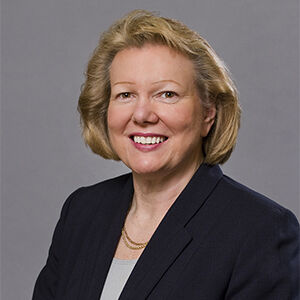
Brooks Nelson, Partner and Strategic Tax Leader, and Sarah McGregor, Tax Director, speak with Paula Wendling, Tax Director with the Firm’s Not-For-Profit services team, about important tax rules that board members and leaders of not-for-profit organizations should be aware of before reviewing a Form 990.
Listen to learn more about:
- 02:30 – What board members should think about when looking at Form 990
- 05:10 – Why the IRS asks for information and disclosures about compensation
- 07:21 – Differences between private benefit and private inurement
- 10:15 – Conflicts of interest and transactions with interested parties
- 12:10 – Differences between working with small and large organizations
Related Insights
- 2023 Not-for-Profit Speaker Series: Tax Considerations for Alternative Investments
- Benefits of Cloud-Based Accounting Software for Nonprofit Organizations
HOST: Welcome to the Cherry Bekaert Tax Beat, a conversation about tax that matters.
HOST: Welcome to this edition of the Cherry Bekaert Tax Beat podcast. Today we are talking about the tax rules for tax-exempt organizations. The tax law cares a lot about tax-exempt organizations because boards must protect tax-exempt status and donors need assurance that their donations are deductible.
HOST: Joining today in our conversation is PAULA WENDLING. She is a director and a leader among our tax professionals, providing tax services to not-for-profit organizations. Paula, how are you doing today?
PAULA WENDLING: Hi, Brooks. I'm doing well. I'm calling in from Palmer Lake, Colorado.
HOST: Where is Palmer Lake?
PAULA WENDLING: It's southwest of Denver, about an hour, tucked against the Pike National Forest.
HOST: And as always, joining me is my partner in crime, Sarah McGregor from Greenville. Sarah, how's life treating you?
SARAH MCGREGOR: It's good to be here. I love talking about not-for-profit organizations.
HOST: The background for today's conversation is the annual information return for a tax-exempt organization, the Form 990. There are different variations of the Form 990, but the main Form 990 is full of questions, schedules, and information. These forms are used by the IRS and others to determine if the organization is in compliance with tax laws. They are also used by potential donors to evaluate the financial health and governance of the organization.
HOST: If you're serving as a member of a board, one of the major responsibilities is to sign off on the Form 990 and be generally aware of its requirements and what it reports. Paula, let's talk about some of the pages in the Form 990 and what board members should see and think about. What are pages 1 and 2, other than being pages 1 and 2?
PAULA WENDLING: Pages 1 and 2 are the most important pages for a quick look at the Form 990. They give a sense of the organization's primary mission and purpose and provide a high-level summary of the organization's finances for the year. They also summarize the organization's key programs, what they've accomplished during the year, and where they are focusing their attention.
HOST: When I think about tax forms, pages 1 and 2 usually show taxable income, but with the Form 990 revenue and expenses don't even show up until pages nine and ten, way toward the back of the form.
PAULA WENDLING: We do get a summary on page 1, but the detailed and interesting information is further back in the Form 990. Items like types of investment income, income from alternative investments, or income from business ventures show how the organization uses its assets to generate income that supports its charitable mission. That's also where we determine if any income might be subject to tax under the unrelated business income tax rules.
HOST: True or false: the schedules attached to the Form 990 are longer than the actual Form 990?
PAULA WENDLING: It depends on how many schedules an organization has to file, but in some cases the schedules are much longer and can seem voluminous.
HOST: We talked a little about revenue sources—fundraising, operations, investment activities—and expenses, including program costs and fundraising costs. The IRS really seems to key in on certain items, particularly compensation for officers.
PAULA WENDLING: That's right. The IRS looks to determine whether the governing board is managing the organization well and maintaining good governance. One area of disclosure that sometimes makes organizations uncomfortable is compensation. Compensation packages for officers, directors, key employees, highly compensated individuals, and some contractors are disclosed as public information. The idea is to allow the public to oversee the organization's policies and ensure no individual or group of individuals is gaining personally from the organization.
HOST: I think that's a good guardrail. Sometimes CPAs feel pressure from boards to find other ways to report compensation because of concern over that disclosure.
PAULA WENDLING: The concern is understandable, but transparency is important.
HOST: Let's discuss private benefit and private inurement rules. What do they mean, and what should board members be looking for?
PAULA WENDLING: A private benefit can occur when anyone, inside or outside the organization, receives substantial personal gain from the organization. That could be excessive compensation to employees, even if they are not decision makers, or a charitable program that benefits only a few families—for example, scholarships given only to members of two families, which could be argued to be private benefit.
PAULA WENDLING: Private inurement is similar but focused on insiders—individuals who have influence over the organization, such as founders, governing board members, or managers with significant influence. Private inurement involves personal gain by those insiders and can take many forms, including business transactions with payments above market value. Board members should be vigilant about who benefits, whether transactions are at arm's length, and whether governance policies are followed.
HOST: Related question: conflicts of interest and transactions with interested parties. What's your quick rundown on those issues?
PAULA WENDLING: Conflicts of interest and related-party transactions can go hand in hand. While the tax statute does not require an organization to have a conflict of interest policy, we strongly advise tax-exempt organizations to adopt and implement one. The board should be aware of conflicts of interest, which can involve business transactions or family relationships, and those should be disclosed regularly, typically on an annual basis.
HOST: Can you give a two-minute version of unrelated business income?
PAULA WENDLING: Unrelated business income is income generated by the organization that is not related to its core mission. It can come from business investments that are sometimes passive, or from ancillary ventures that are important to the organization but still considered unrelated to the key mission. Organizations should understand where their revenue is coming from and whether any revenue is subject to tax under the unrelated business income rules.
HOST: Paula, you work with both small not-for-profit organizations and larger, more established institutions. What are some key differences in the services you provide or the questions they ask?
PAULA WENDLING: Many small organizations are focused on implementing good internal controls when they have only a few people involved. I've seen situations where a single person opens the mail, writes checks, balances the books, and sends out financial reports. It's best to separate duties and involve multiple people.
PAULA WENDLING: Small organizations are also concerned with fundraising and maintaining public support status, making sure they have a diverse donor base, and determining how to grow and implement their mission. Larger, more mature organizations have usually addressed internal controls and focus more on mission and preventing mission drift. They want to ensure the Form 990 is consistent and complete with respect to their activities so they can accurately tell the public what they are doing and how they are benefiting their communities.
HOST: Internal control failures can be devastating. In our community we see cases where a long-term trusted employee starts taking small amounts that grow over time into hundreds of thousands or millions, and the organization suffers reputationally and financially.
PAULA WENDLING: Board members, especially those who are inexperienced, may not realize how much oversight they need to provide, particularly in smaller organizations.
HOST: The Form 990 and its schedules can be large and complicated. Some board members, organization members, or executive officers may not understand how exhaustive the reporting is and the policies that must be reviewed.
PAULA WENDLING: The Form 990 is a mechanism for public oversight of tax-exempt organizations. It may seem counterintuitive that an exempt organization has so much reporting to the IRS, but because they are not paying taxes they must provide sufficient backup to show they deserve exempt status.
HOST: Anyone can go to irs.gov and use the Tax Exempt Organization Search tool to find organizations and view prior-year Form 990s that are posted as PDFs.
PAULA WENDLING: The IRS search tool is helpful. There are other websites where information can be found as well. A big caveat: churches and governmental entities are generally not required to file Form 990, so you won't usually find their returns posted online. Some churches voluntarily file if they want their information to be public.
HOST: Let's go to final comments. Paula, any last words of wisdom?
PAULA WENDLING: Remind board members that when they join a board, they agree to exercise fiduciary responsibility. That means knowing the organization well, understanding how it works, paying attention to its activities, and ensuring the mission and purpose are being carried out.
HOST: Could not have said that better. Is that all?
HOST: That's it.
SARAH MCGREGOR: I would add: don't let the potential liability scare people away from serving on boards. Most state laws provide liability protection for not-for-profit board members as long as they are not acting egregiously or intentionally criminally. Nonetheless, protecting the organization is a board member's job.
HOST: Our tax accountants and accountants in general are often asked to serve on boards and to help with accounting, financial reporting, and reviewing the Form 990.
HOST: That's a wrap on today's discussion about tax issues for not-for-profit organizations. A quick disclaimer: we are not providing tax advice on this podcast. Please consult with your tax advisor, hopefully at Cherry Bekaert, for specific tax issues or to discuss information from today's episode. Check the firm's website at cb.com for the latest guidance and materials on this and other tax and business topics.
HOST: This concludes today's podcast. Please like, share, and subscribe.
HOST: Thank you, Paula. Thank you, Sarah. Thank you to our listeners for spending your time with us. Let's call it a day.